
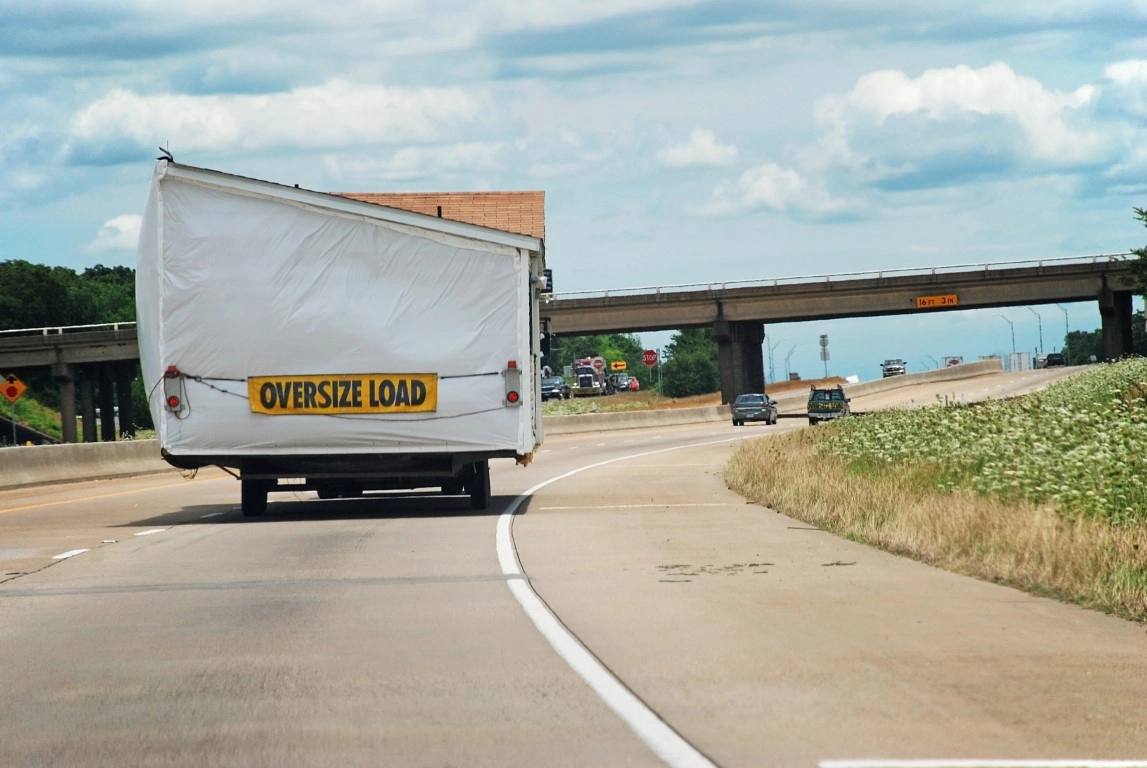
Moving a mobile home from one location to another is a complex process that involves transportation, lifting, leveling, reconnecting utilities, and more. While professional movers take every precaution, it’s important for homeowners to perform a thorough inspection after the move just in case something slipped through the cracks.
At D&D Home Setters, we’re committed to moving mobile homes the right way and avoiding damage. Whether you decide to work with us or another company, we invite you to thoroughly inspect your mobile home after a move to ensure everything is as it should be. Keep reading to learn why an inspection is important, some things to look out for, and more.
Why a Post-Move Inspection Matters
Transportation — bumps, turns, vibrations, and the process of lifting the home — can put stress on a mobile home’s various components. Even well-maintained homes may experience minor shifts during transport, leading to small cracks or loose connections.
When you inspect your mobile home for damage after a move, you can catch these problems before they have the chance to get worse. Early repairs help protect your home’s structural integrity and prevent secondary damage like water intrusion, helping you save money in the long run.
You should also make sure you document your home’s condition by taking plenty of photos immediately after the move. This documentation can be helpful for warranties, insurance claims, or discussions with the moving company if any concerns arise.
Start with an Exterior Inspection
Start with your home’s exterior. Check the foundation and blocking to ensure the home sits level. Inspect the piers, blocks, anchors, and tie-downs and look for signs of settling or uneven support.
Take a look at the skirting and check for cracked, bent, or missing panels; obstructed vents; or access panels that are no longer secure. Examine the siding for dents, cracks, loose panels, or separated seams — especially around corners, where movement may have caused extra stress.
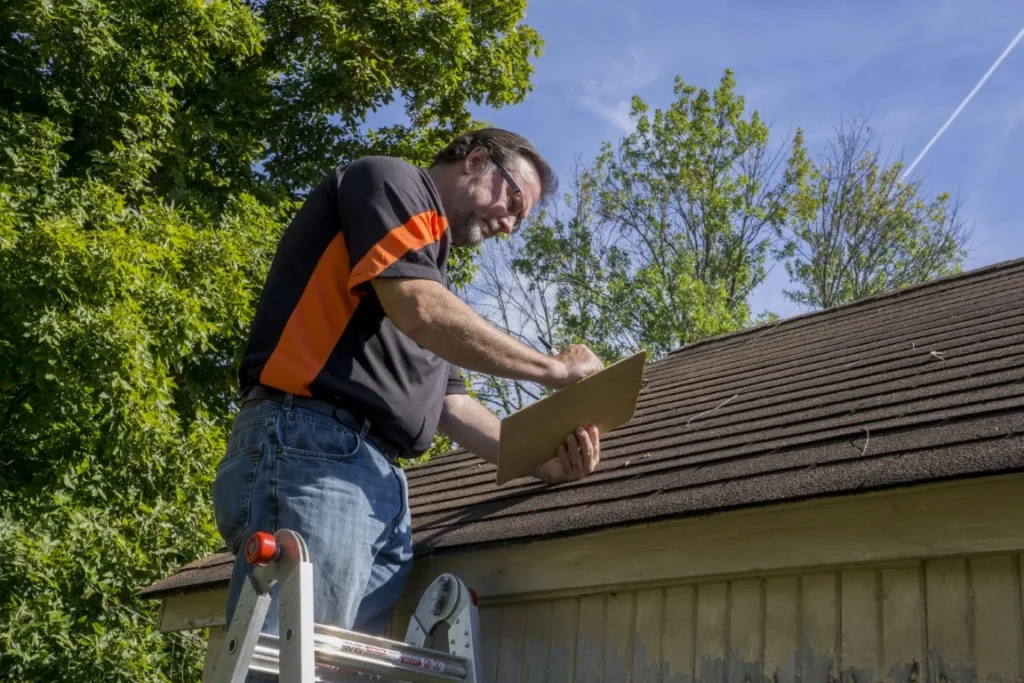
Next, test the doors and windows to make sure they open and close properly. Look for cracked glass, damaged screens, or issues with the weatherstripping and exterior caulking. Finally, inspect the roof for damaged shingles or flashing, punctures caused during transportation, or signs that the roof seams have shifted.
Inspect the Interior
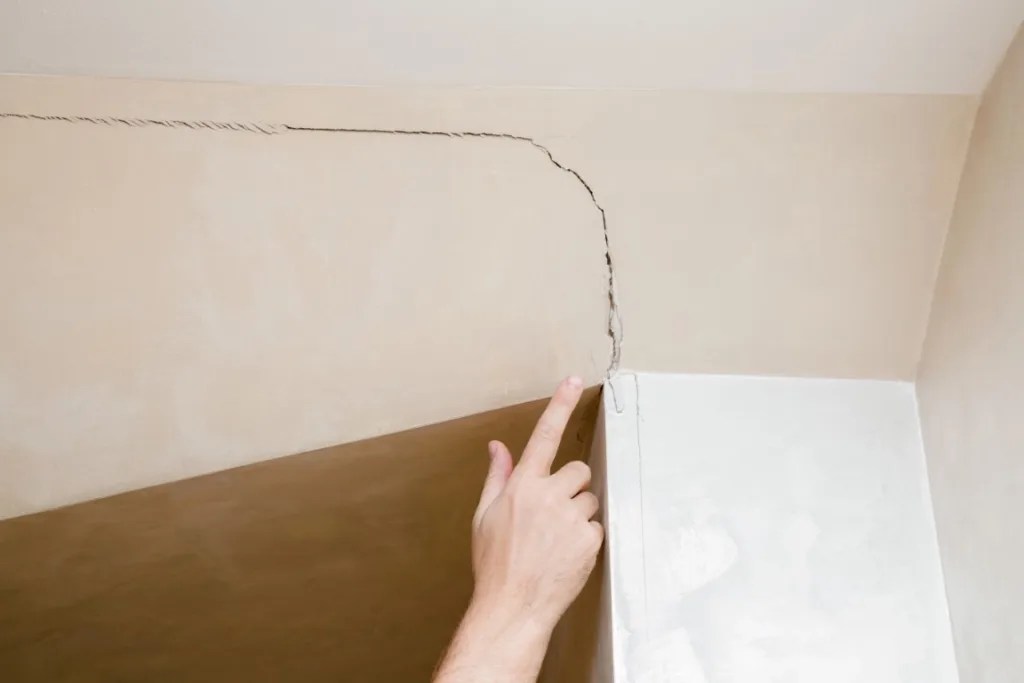
After that, it’s time to move on to the interior. Look for cracked drywall throughout the home, paying close attention to corners, doorways, and ceiling joints. Small cracks may simply be cosmetic issues, while larger ones may indicate larger structural concerns.
Examine the floors, as well. Walk through every room and feel for soft spots, squeaks, and uneven areas that have separated or buckled. Finally, inspect the cabinets and built-ins to verify that the cabinet doors still align and the hinges aren’t loose.
Check Plumbing, Electrical, and HVAC Systems
Check the utility connections for water, sewer, electrical service, natural gas, and propane. If there’s water pooling, gas odors, loose electrical connections, or damaged utility lines, contact the moving company ASAP.
To inspect your plumbing system, look for visible leaks beneath sinks and around toilets. Test every water fixture — turn on every faucet, flush every toilet, and run showers and tubs. Watch for reduced water pressure or slow drainage. Finally, check whether the water heater’s connections are all secure and look for leaks around the fittings. Run the hot water to make sure the unit’s functioning normally.
To inspect your electrical system, test every outlet by plugging something in or using an outlet tester. Make sure all the GFCI outlets reset properly. Turn on every light to make sure they all work properly without flickering.
To inspect your HVAC system, test both your heater and AC. Listen for unusual noises and check to make sure all the vents have proper airflow. Take a look underneath your home, as well, looking for any disconnected or crushed ducts.
Verify the Home Is Properly Leveled
Mobile homes often require minor adjustments after being placed. Watch for doors that swing open on their own, sticky windows, sloping floors, or cracks that appear shortly after setup. By seeking professional re-leveling, you can protect your home’s structure in the long-term.
Expert Mobile Home Moving Services in Northern Utah
At D&D Home Setters, we’re committed to doing everything we can to prevent damage while transporting mobile homes. If you notice anything amiss after getting settled, let us know, and we’d be happy to make it right. Contact us today to learn more about our mobile home moving services!

Follow Us