
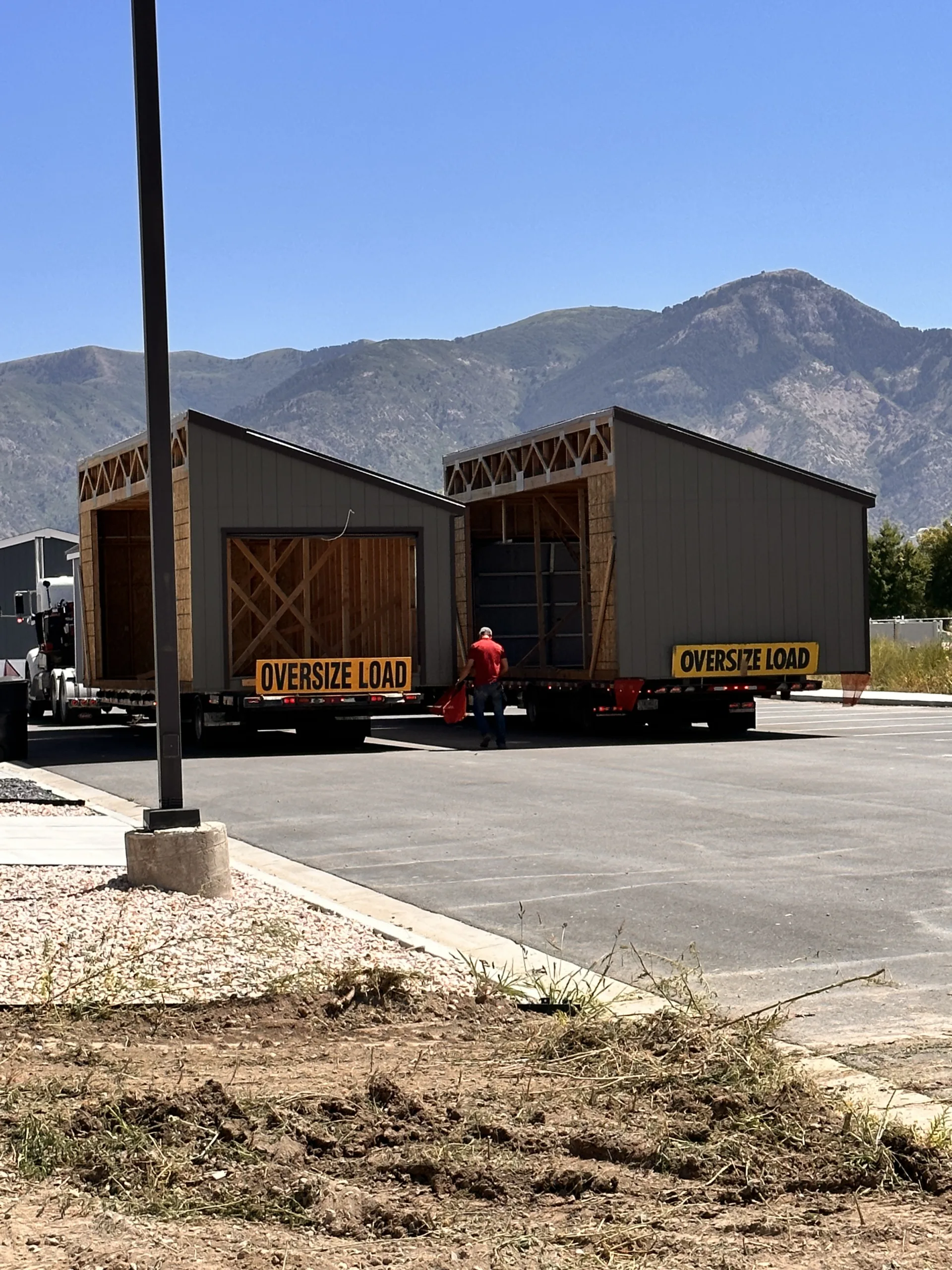
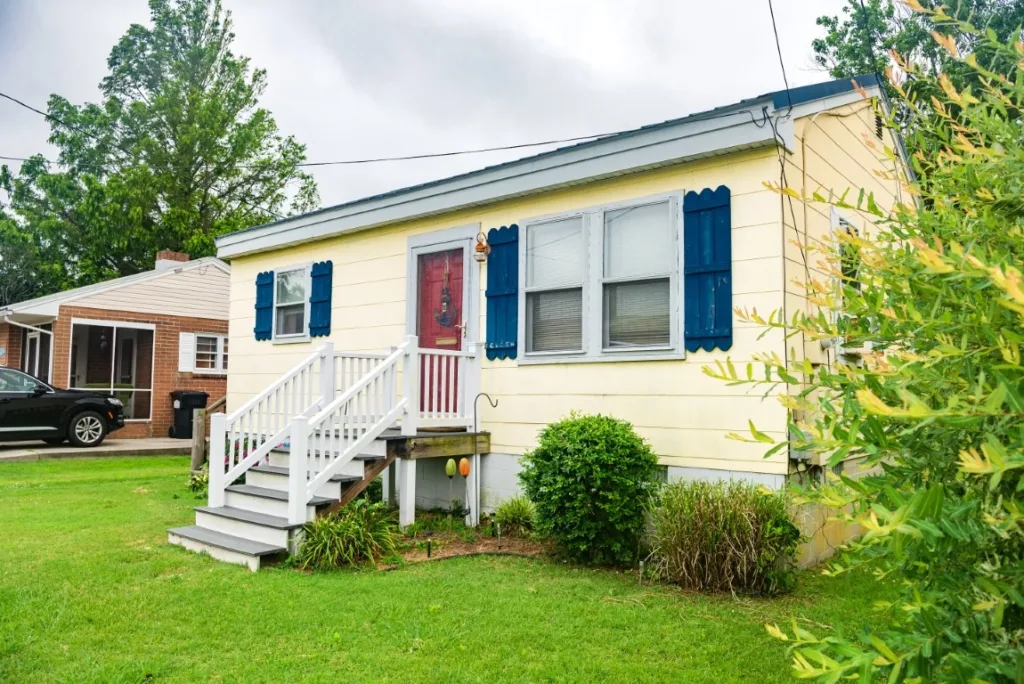
Choosing the right location for a mobile or manufactured home involves more than simply finding an attractive piece of land. The property’s terrain, soil conditions, drainage, accessibility, and utility connections can have a significant impact on the set-up process, the home’s long-term stability, and your overall costs. That’s why it’s so important to properly evaluate the property before scheduling a manufactured home delivery or relocation.
If you’re planning to move your mobile home to a new location, keep reading to learn some expert tips for choosing the right site.
1. Check Local Zoning Laws and Property Restrictions
Before purchasing land or moving your mobile home, the first thing you should do is check local zoning laws and property restrictions to see if manufactured homes are even permitted on the property. Some cities only allow mobile homes in certain locations, and they may be required to be placed a certain distance away from property lines, roads, and neighboring structures. Homeowners associations and deed restrictions can affect placement, as well.
2. Evaluate the Location’s Terrain and Slope
It’s best to choose a location with relatively level ground. Steep slopes, uneven terrain, and low-lying areas can pose significant challenges, sometimes requiring grading or additional site work before your mobile home can be placed there. It’s essential to have a qualified professional evaluate the property before making a decision about location.
3. Assess Soil Conditions and Ground Stability
The ground must be able to support the weight of the home. If the soil is loose or poorly compacted — especially if the site has previously been excavated or disturbed — it can create challenges during installation and down the line. A soil evaluation or geotechnical assessment may be necessary to determine whether the location is suitable for a mobile home or if it needs some site preparation first.
4. Look for Potential Drainage Problems
Water should flow away from the home rather than collect around or beneath it — otherwise, it can contribute to moisture damage and cause the soil to shift underneath your home. Look for warning signs around the site such as standing water, muddy ground, erosion, and saturated soil. Address any drainage concerns before your home is installed to prevent future issues.
5. Make Sure the Property Is Accessible
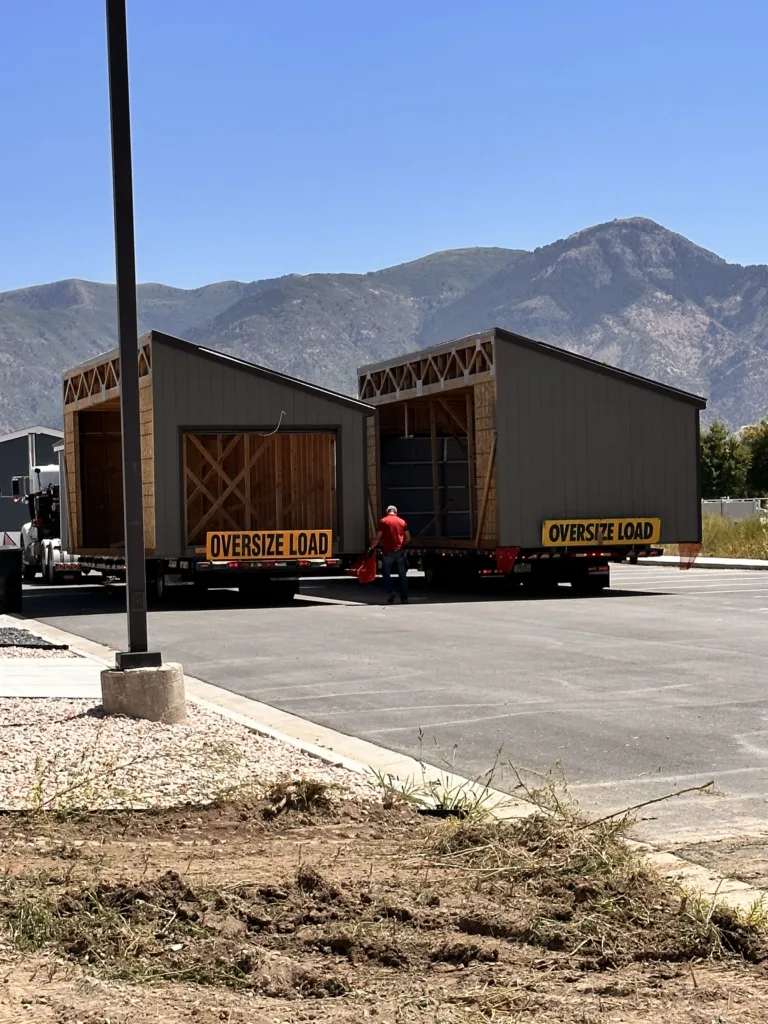
The delivery route matters when choosing a location for a manufactured home. Consider road width and turning space to ensure there’s enough room for the home to be delivered. Steep grades, overhead power lines, low-hanging branches, narrow entrances, and neighboring structures can make the site much harder to access with the equipment needed to transport a manufactured home.
6. Consider Utility Availability and Connection Costs
Utility planning can affect the home’s final placement. Determine whether electricity, water, sewer, and natural gas hookups are available. If utilities are not readily available, it can be expensive to extend utility lines to a remote location. Private wells and septic systems may be suitable alternatives where permitted.
7. Understand the Total Cost of Preparing the Site
The purchase price of a piece of land doesn’t reflect the full cost of making it ready for a mobile home. There are often other expenses involved, including:
- Clearing trees and brush
- Grading and excavation
- Soil stabilization or compaction
- Drainage improvements
- Driveway or access road construction
- Utility installation
- Foundation and support preparation
- Permits and inspections
Before committing to a specific property or location, evaluate the total preparation costs required. That way, you can make an informed decision about where to place your mobile home.
8. Have the Property Evaluated Before Moving Forward
One of the most important things you can do before purchasing land or moving forward with your mobile home relocation is to have the property professionally evaluated to identify potential obstacles, reduce unexpected expenses, and help prevent delays. Professionals can assess zoning, soil, drainage, utilities, and foundation requirements to determine whether the location is suitable for a manufactured home and, if not, what improvements it needs before moving forward.
Prepare Your Site with D&D Home Setters
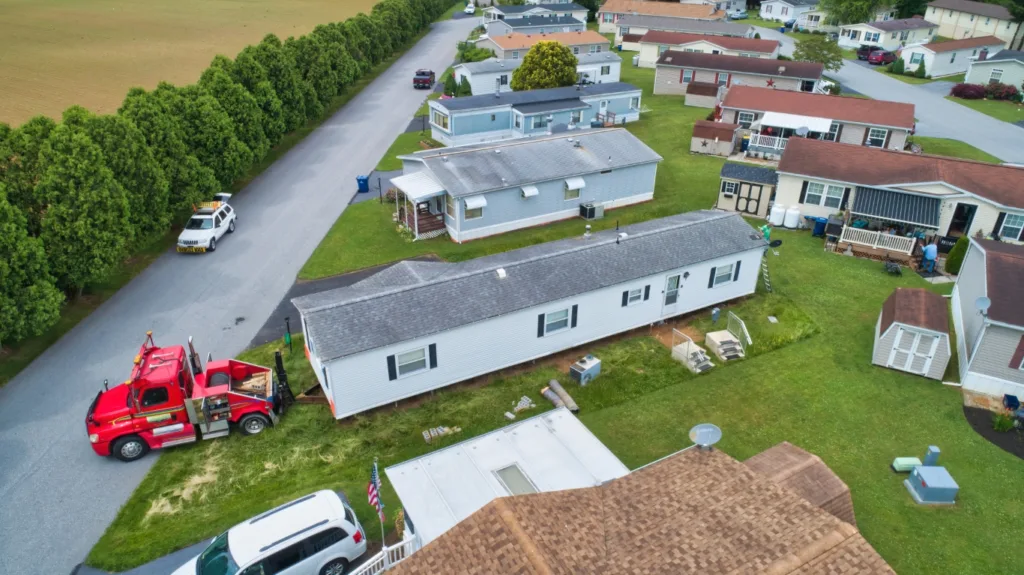
At D&D Home Setters, we don’t just move mobile homes from one location to another — we can also perform site prep services like land preparation to ensure the property is ready for your mobile home. Contact us today to schedule your property assessment, site prep, or mobile home moving services.

Follow Us